Eating Roasted Chana Daily? Beware, You Might Be Consuming Chemicals. Detect Fake Ones With These Tips
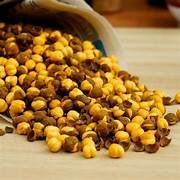
Roasted chana (bhuna chana) is one of India’s most popular healthy snacks. It’s rich in protein, fiber, and essential minerals—and is often eaten for weight loss, digestion, and daily energy.
But here’s the real problem: the market is also flooded with low-quality or chemically processed roasted chana, which can silently harm your health.
If you eat roasted chana daily, it’s important to know how to spot fake, adulterated, or unsafe ones.
Let’s break it down.
Why Are Fake or Chemically Treated Roasted Chana Sold?
Unscrupulous sellers use shortcuts to improve profit:
- To increase shelf life
- To make old chana look fresh
- To make small chana appear grown and heavy
- To reduce roasting time and fuel cost
- To hide fungal smell or spoilage
These shortcuts often involve cheap chemicals, bleaching agents, or toxic coatings.
Common Harmful Chemicals Found in Fake Roasted Chana
Not all packaged or loose roasted chana is harmful, but these are the chemicals used in low-quality production:
1. Hydrogenated Oils / Mineral Oils
Used to give shine and crispiness. Can cause:
- Digestive issues
- Heart-related problems
- Liver strain
2. Artificial Colors
Some sellers color the chana skin to look “freshly roasted.”
These may contain:
- Synthetic dyes
- Coal tar colors
- Non-food-grade pigments
3. Sulphur / Bleaching Agents
Used to brighten appearance and remove spots.
Long-term intake may cause:
- Allergies
- Respiratory issues
- Gut irritation
4. Calcium Carbide (in some regions)
Used to artificially dry and harden chana faster.
This chemical is highly toxic.
5. Excess Salt or Black Salt Adulteration
Some roadside vendors use poor-quality or contaminated salt mixtures to cut costs.
How Fake Roasted Chana Affects Your Health
Daily consumption of chemically processed roasted chana may lead to:
- Bloating, gas, or acidity
- Food poisoning symptoms
- Headaches and irritation
- Liver and kidney stress (long-term)
- Increased risk of allergies
- Skin reactions
- Hormonal imbalance (due to certain dyes and oils)
If you eat roasted chana for health, adulterated ones can do the opposite.
How to Detect Fake or Chemically Treated Roasted Chana: Simple Home Tips
Here are easy tests and tricks to help you identify real vs fake roasted chana.
**1. Check the Shine
Real roasted chana:
- Has a natural matte finish
- Looks uneven and slightly rough
Fake ones:
- Look unusually shiny
- Appear too smooth or glossy
- Shine stays on your fingers when touched
This shine often comes from mineral oils or artificial coatings.
2. Smell Test
Real roasted chana:
- Smells mildly nutty and roasted
Fake ones:
- Smell chemical-like
- Have a strong, artificial roasted scent
- Sometimes smell like old oil or kerosene
Your nose will tell the truth.
3. Break Test
Take one chana and break it in half.
Fake ones may show:
- Chalky white interiors
- Too-hard texture (overheated or artificially dried)
- Powdery residue
Real roasted chana:
- Has a firm but natural crumbly texture
- No chemical smell inside
- Light yellow interior
4. Water Test (Most Important)
Drop some roasted chana in warm water.
Fake ones:
- Color spreads into the water
- Oily layer floats on top
- Black spots turn light or fade
Real ones:
- Do NOT release color
- Water remains clear
- No oily residue
This is a powerful way to detect dye or chemical coating.
5. Taste Test
Chemically treated chana tastes:
- Too salty or sharp
- Slightly bitter
- Unnaturally smoky
Real roasted chana tastes:
- Mild
- Earthy
- Naturally nutty
Your tongue will instantly catch bitterness or artificial flavors.
6. Weight & Texture Check
Fake roasted chana often feels:
- Too lightweight (improper roasting)
- Too heavy (moisture trapped artificially)
- Over-crisp or overly hard
Natural roasted chana has:
- Balanced weight
- Uniform crispiness
7. Buy From Trusted Sources
Avoid roadside or nameless packets.
Always prefer:
- FSSAI-certified brands
- Stores with high product turnover
- Vacuum-sealed packs
If buying loose chana, check:
- Cleanliness
- Roasting setup
- Smell around the stall
Safer, Healthy Alternatives
If you want roasted chana for daily health benefits, try:
1. Make It at Home
Buy raw chana and roast in a pan or oven.
You control:
- Hygiene
- Oil
- Salt
- Quality
2. Choose Branded, Tested Products
Look for:
- FSSAI license
- Ingredients list (should be clean)
- Manufacture date
- Vacuum packing
3. Avoid Flavored or Masala Chana
These often contain:
- Preservatives
- MSG
- Synthetic colors
Roasted chana is a superfood—but only when it is pure, natural, and chemical-free.
With increasing adulteration in the market, knowing how to detect fake roasted chana is essential.
Use the simple tests above to keep your family safe and ensure you’re enjoying the real health benefits of this nutritious snack.